
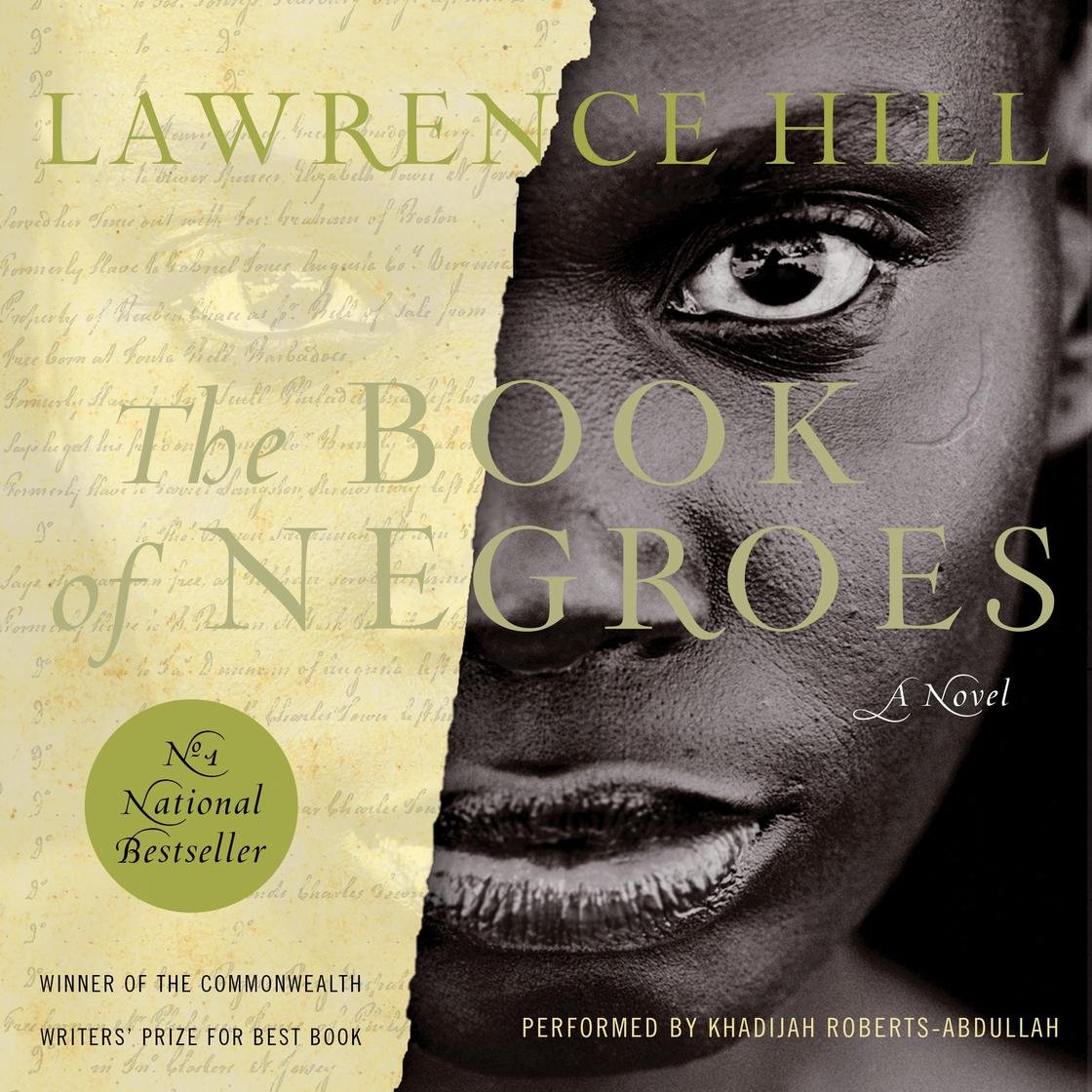
Revisiting The Book of Negroes by Lawrence Hill
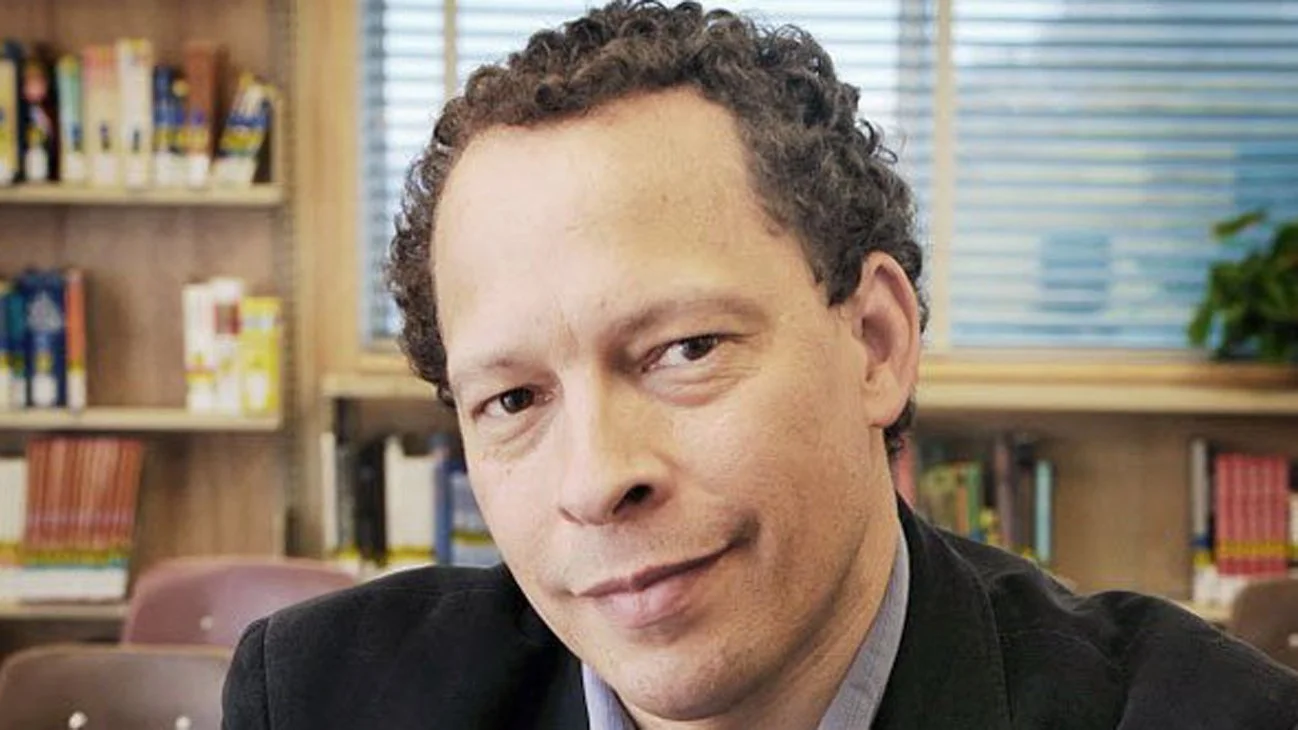
This Black History Month, I have been revisiting Lawrence Hill’s The Book of Negroes. He is such a gifted storyteller. I am awed all over again by the power of his writing. Hill invented a specific language with which to tell Aminata’s story, and on account of this language – a unique and musical use of African metaphors – the book becomes a work of magic. It casts a spell.
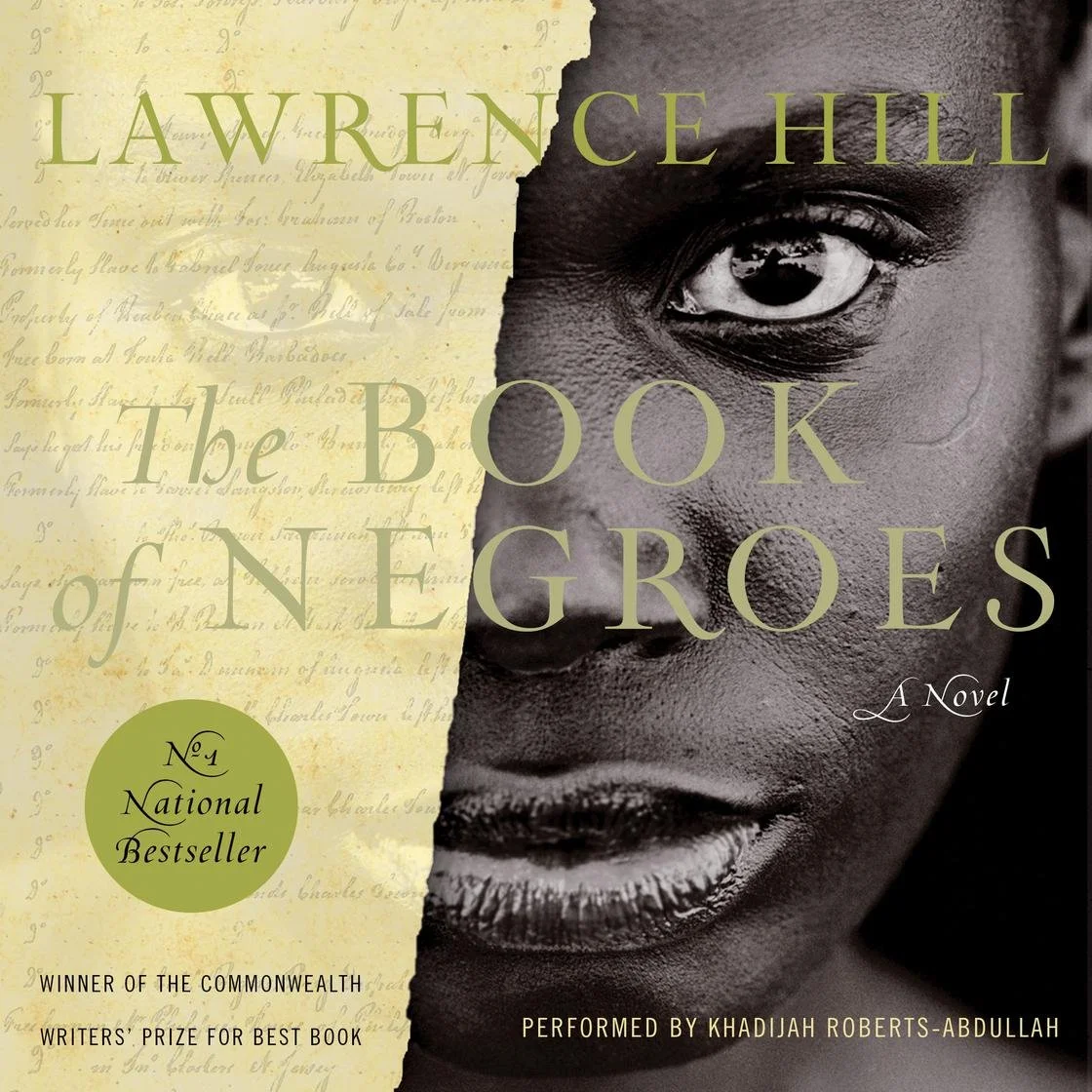
The Book of Negroes: A Novel
by Lawrence Hill
680 pages
Over the years that Lawrence was writing this novel we were good friends. We met sometimes for lunch - he was always treating me - (and I Iet him, because I still love when men pay). Even before that, when my children were very young, he was so kind to them that they would ask, “Are we related to Larry?” In fact, my entire family adored him, including my mother and my sister, because he was sweet to them and because they appreciated how supportive he was to me in a profession where I often felt- feel- isolated: Too Black for some people; too white for others. Perhaps he understood.
Just before The Book of Negroes was released, I profiled Lawrence for a Canadian newspaper. In this piece he talks about the challenges he faced writing the novel and emphasizes the significance of Black Canada to Africa’s diasporic story.
………..
'My life is chaos," says author Lawrence Hill when I ask how he manages to be so productive.
"I wish I could say I have some nice organized system where I get up every morning at seven o'clock, have my coffee and go to work, then work all day and tuck it in at 9 p.m.," says Hill. "But my life is nuts. We are a blended family of five kids ... I just work on and off."
We have met for lunch at Seven West on Charles Street in Toronto, where we sit at a table close to the bar. It is bright outside, bizarrely mild for winter. Inside the restaurant, which has a fireplace, the atmosphere is cozy.
Hill is telling me about the challenges he faced crafting the story of Aminata Diallo, the 18th-century character in The Book of Negroes. The novel was inspired by James Walker's history The Black Loyalists, which traces the story of the black Americans who supported the British in the American Revolutionary War and who later settled in Nova Scotia. Many eventually fled the harsh racism of Nova Scotia for life in Sierra Leone.
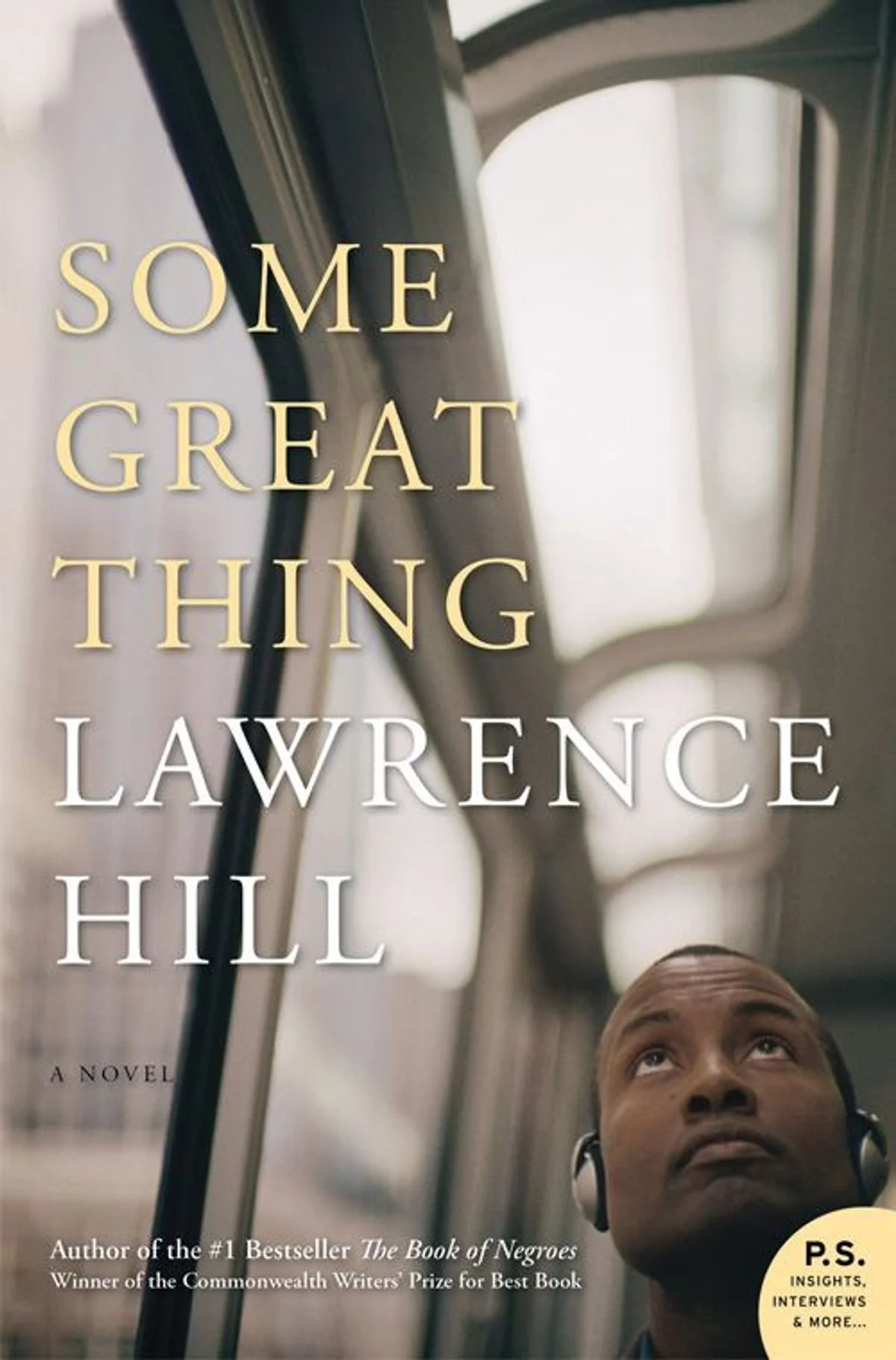
Some Great Thing
by Lawrence Hill
336 page
Hill had been thinking about writing The Book of Negroes way back in 1982, well before he had published his first novel, Some Great Thing (1992), and his second, Any Known Blood (1997). He began working on it in 2003. Even so, crafting the tale proved so daunting he was often tempted to give up.
"It was an immense project," Hill explains. "It takes place in a myriad of locations: it takes place in Africa, it takes place on a slave ship, in South Carolina in two distinct locations, and in New York City during the Revolutionary War. Then it shifts to Nova Scotia. Then we're going to Sierra Leone and then we're going to London, England. Each location required a huge amount of research and creative energy just to figure out how Aminata will move from one place to the other.”
"It's not like a simple concept that just came to me from the beginning," Hill adds. "I had to struggle and struggle to figure all this out. I sometimes wondered if I had the strength to do it. It was harder than anything I'd ever tried."
Hill was born in 1957 to a U.S.-born interracial couple who were civil-rights activists. They settled in Canada in the 1950s in order to raise a family in a less racially hostile environment.
I first met Hill in Toronto in the 1980s when we were both working as volunteers for the Ontario Black History Society. I remember attending a training session at his apartment on Palmerston Avenue and the way he quietly commanded the attention of everybody in the room. One of Hill's interesting paradoxes is how serious and earnest he comes across in person and how utterly hilarious he is on stage. If you are planning to attend a public reading by Hill, prepare for a belly laugh.
In his novels, particularly Any Known Blood, among the most accomplished works in the Black Canadian pantheon, Hill uses his biracial perspective to thwart complacent Canadian notions about race. He is passionate about Black Canadian history and is the Canadian novelist whose work most articulately and imaginatively explains what the history of slavery has to do with us Canadians.
He is a touch exasperated by how little we still seem to know about our black past, how desperately we cling to the image of Canada as a refuge for slaves. Hill's oeuvre strongly insists that is not the whole story:
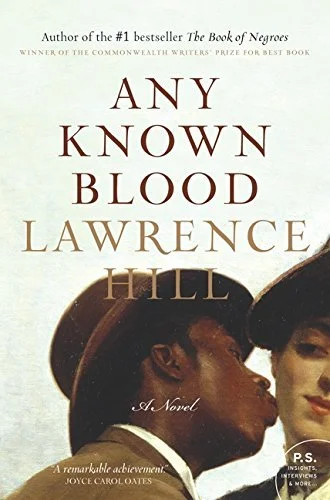
Any Known Blood
by Lawrence Hill
560 pages
"It is a myth that Canada was simply the Promised Land and nothing else," Hill explains. "Many of the Black Loyalists who came to Nova Scotia came as slaves (to white Loyalists), many were indentured, and then many others were free. ... Canada is also the place where people's chains continued to hold firm."
In Walker's book, Hill came upon an astonishing fact: That a significant percentage of the Black Loyalists who eventually abandoned Nova Scotia for Sierra Leone had originally been born in Africa.
"You have to think of these people as touching bases in several places -- from Africa to South Carolina to Manhattan to Nova Scotia and then back to Africa. This movement of about 1,200 people," says Hill, "was a milk run all around the world.
"How typically Canadian that we don't even know the very first back-to-Africa movement is coming from Canadian shores," muses Hill. "It's not coming from the United States who founded Liberia. It's not coming from (Jamaican) Marcus Garvey, who promoted his back-to- Africa concept in the early 1920s. This is more than 100 years before Garvey is born and about 50 years before the Americans founded Liberia.
"We Canadians had the first back-to-Africa movement in the world," says Hill. "And that is just such a fascinating story."
A previous version of this piece appeared in the Ottawa Citizen.